The Traditional Owners of this land are those who identify as
Aboriginal and Torres Strait Islander Peoples.
Sovereignty was never ceded.
ANTAR pays respect to Elders past, present, and emerging through our dedicated advocacy for First Nations Peoples’ justice and rights.
ANTAR acknowledges the responsibility of committing to a truth-telling process that promotes an honest and respectful path forward for future generations to build upon.
From the start of the Close the Gap Campaign in 2007, and the public movement it inspired, people have been voicing their support and demanding health equality for First Nations Peoples.
Statistics
Aboriginal and Torres Strait Islander people born in 2015-17 have a life expectancy estimated to be8.6 years lower than that of non-Indigenous people;
First Nations People are5 times more likely to suffer from diabetes and 4 times more likely for chronic kidney disease compared to non-Indigenous Australians;
Two-thirds of First Nations People have one chronic disease, and one-third suffer from 3 or more chronic diseases; and
80 percent of the mortality gap between First Nations and non-Indigenous Australians aged 35-74 years is due to chronic diseases.
The differences in health outcomes are causally linked to the social determinants of health, health risk factors and access to appropriate health services. According to ABS health survey data, the social determinants of health are estimated to be responsible for more than one-third of the health gap (differences in health outcomes) between Aboriginal and Torres Strait Islander peoples and non-Indigenous Australians.
First Nations peoples on average have lower levels of education, employment, income, and poorer quality of housing. These factors, known as the social determinants of health, impact on an individual’s health status, and are inextricably connected. Comparably, just under one-fifth of the gap was due to health risk factors such as risky alcohol consumption, high blood pressure, overweight and obesity status, inadequate fruit and vegetable consumption, physical activity and smoking.
The effects of colonisation are recognised as having a fundamental impact on the disadvantage and poor health outcomes of Indigenous people around the world, through social systems that maintain disparities. If First Nations adults had the same household income, employment rate, working hours, and smoking rates as non-Indigenous Australians, the health gap would be reduced by more than a third.
Compounded Inequality: Disability
Disability continues to be overlooked overall, with none of the initial 17 targets in the 2020 National Agreement on Closing the Gap addressing the disability experience of First Nations Peoples.
The First Peoples Disability Network has commented on this oversight and questioned the policy’s aspiration to be ‘evidence-based’ due to its lack of engagement with evidence related to the acute disadvantage of Aboriginal and Torres Strait Islander peoples with disability. Damian Griffis, CEO of First Nations Disability Network stated that disability is still not well understood. He argues that there needs to be stand alone targets for disability and that implementing disability within cross cutting targets such as education is not enough.
Disability is not just a health issue, it exists under all target areas; families, children and youth, justice, health, economic development, culture and language, education, healing and eliminating racism and systemic discrimination.
First Nations Disability Network Australia CEO, Damian Griffis
Australian governments must continue to work with the First Peoples Disability Network as the peak organisation advocating for First Nations Peoples with a disability, in order to address the disproportionate rate at which disability burdens this vulnerable community group.
Read our Submission to the Disability Royal Commission
Aboriginal Community Controlled Health Organisations
Increased support for Aboriginal Community Controlled Health Organisations (ACCHOs) are one of the strengths of the 2020 National Agreement – Priority Reform area 2: ‘Building the community controlled sector’. ACCHOs are organisations owned, initiated and established by, and in, local Aboriginal communities. They deliver holistic and culturally appropriate health services and are a crucial component in closing the gap of inequalities faced by First Nations peoples.
ACCHOs focus on prevention, early intervention, and comprehensive care, which reduces access barriers and racism, therefore improving health outcomes. Additionally, ACCHOs train the medical workforce, employ First Nations peoples and deliver best practice care. This priority reform area will hopefully help overcome the entrenched and generational inequalities faced by First Nations people. Instead: This priority reform area aims to overcome…
First Nations People are 2.9 times more likely to have long-term ear or hearing problems among children;
First Nations People are 2.1 times more likely to die before their 5th birthday;
First Nations People are 1.9 times more likely to be born with a low birthweight; and
First Nations People are 1.7 times more likely to have a disability or restrictive long-term health condition.
Racism in the Health System
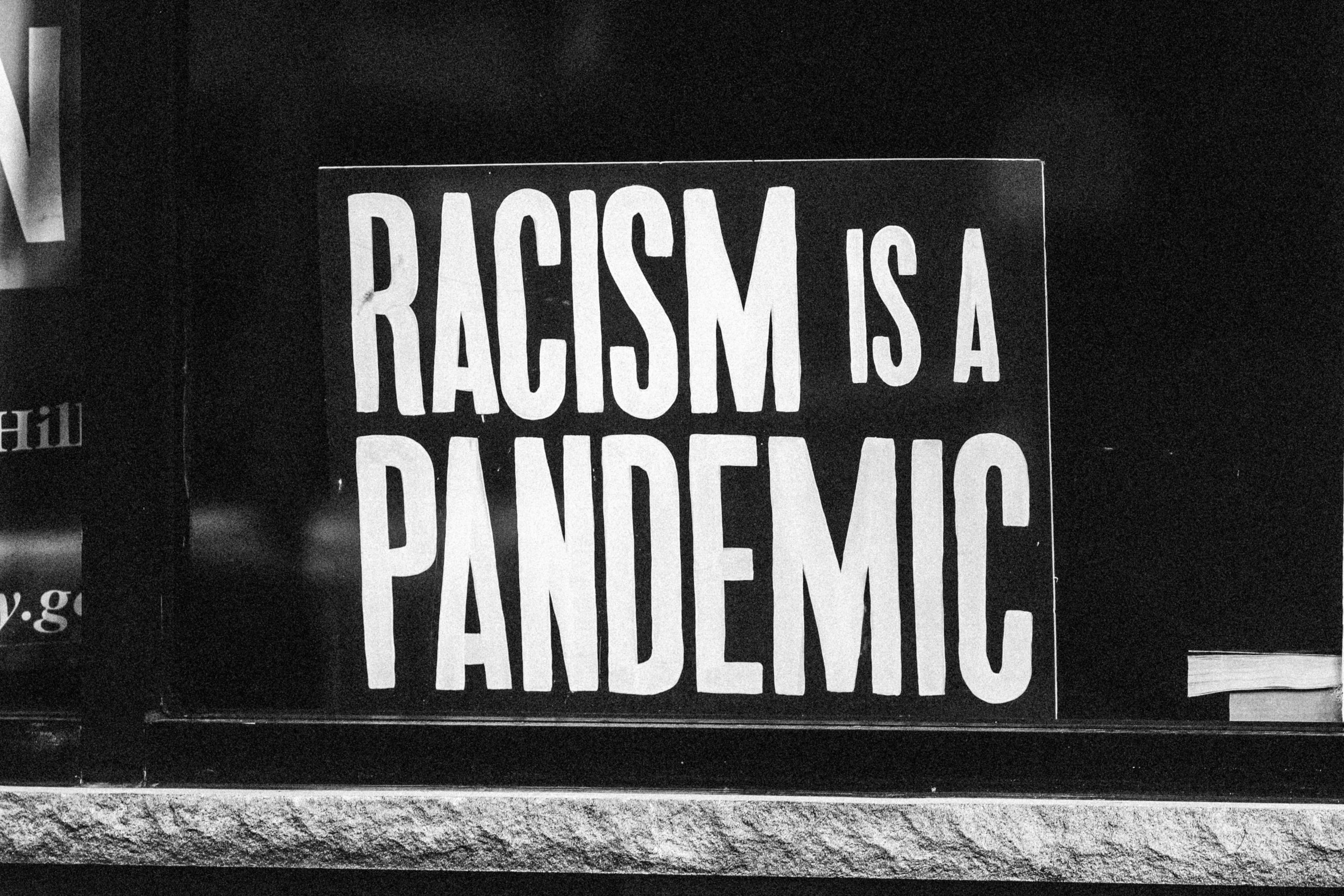
The 2020 National Agreement on Closing the Gap acknowledges and outlines reforms to address structural and systemic racism. Racism towards Aboriginal and Torres Strait Islander peoples is a reality, exacerbated through a history of abuse, dispossession and intergenerational trauma from colonisation.
In 2014-15, 33 percent of First Nations peoples over the age of 15 had reported experiencing unfair treatment during the previous 12 months due to identifying as an Aboriginal and/or Torres Strait Islander person.
Within the health system, experiences of racism are associated with poorer self-reported health status, lower perceived quality of care, underutilisation of services, delays in seeking care, failure to follow recommendations, distrust in the healthcare system, interruptions in care, and avoidance. Racism within the health system is not only experienced by users of the system, but also practitioners operating within the system.